A badly aching tooth forces a decision: can it be saved, or does it need to go? That single question — root canal or extraction — shapes your comfort, your recovery, and the long-term health of your smile. Both treatments end infection and pain, but they take very different paths to get there.
Knowing how each option works, and when one makes more sense than the other, helps you walk into your appointment informed and confident about the plan you and your dentist choose together.
What Is a Root Canal?
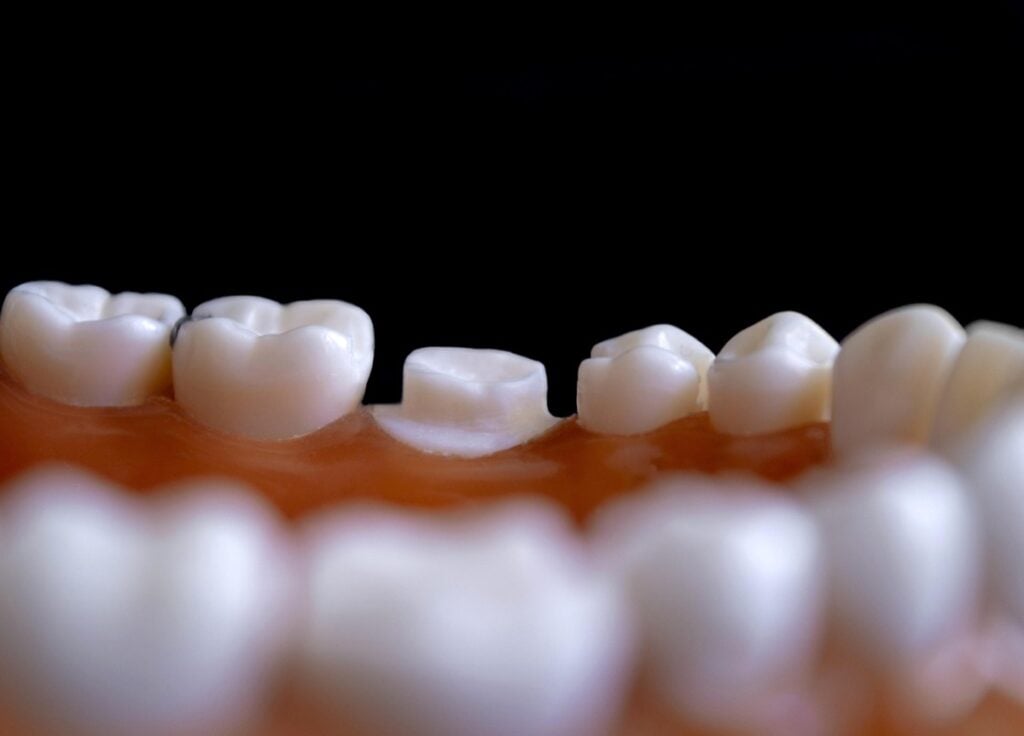
A root canal is a restorative dental procedure that rescues a tooth that has become infected or badly damaged. Your dentist removes the inflamed pulp from inside the tooth, cleans and disinfects the inner chamber, and seals it to keep new infection out. A dental crown often follows to restore the tooth’s strength and let you bite and chew normally again.
Root canals have an outdated reputation for being painful. In reality, modern techniques and local anesthesia make the appointment feel much like getting a filling — and most people leave with far less pain than they arrived with, because the source of the ache is finally gone.
Signs You May Need a Root Canal
You may be a candidate for a root canal if you notice:
- Persistent tooth pain or lingering sensitivity
- Swelling around a tooth or in the nearby gum tissue
- Deep decay that has reached the tooth’s pulp
- A cracked or injured tooth exposing the inner nerve
- Darkening or discoloration from nerve damage
Whenever it’s realistic, saving your natural tooth is the preferred route — it keeps your bite aligned, protects the jawbone, and preserves the smile you already have.
What Is a Tooth Extraction?
A tooth extraction removes a tooth from its socket when it can no longer be saved — or when keeping it would put your oral health at risk. Dentists work hard to preserve natural teeth, but sometimes removal is genuinely the healthier choice.
A gentle extraction is often quick and comfortable with local anesthesia. Depending on the tooth, your dentist may perform a simple extraction or a more involved surgical extraction. Common reasons include severe decay, advanced gum disease, major fractures, crowding, or an infection that has spread beyond what can be repaired.
When Is a Tooth Extraction Better Than a Root Canal?
Preserving a tooth is the goal — but not always the best outcome. In these situations, removal can be the smarter, healthier decision.
Severe Tooth Damage
When a tooth is fractured below the gum line or has too little healthy structure left to support a crown, a root canal simply won’t hold. Removing it clears the way for a stable replacement.
Advanced Infection
If an infection is too extensive for root canal therapy to fully clear, extraction may be recommended. Taking the tooth out stops the infection from spreading into surrounding tissue and bone.
Emergency Situations
An emergency tooth extraction may be needed when severe pain, swelling, or infection threatens your overall health. Prompt removal delivers relief and prevents complications.
Wisdom Teeth Problems
Wisdom teeth that are impacted, infected, or crowding their neighbors are often best removed. Unlike most teeth, wisdom teeth usually don’t need to be replaced afterward.
Root Canal vs. Tooth Extraction: Comparing the Benefits
Each treatment has real advantages. The right choice depends on how much healthy tooth remains and what will serve your long-term health best.
Benefits of a Root Canal
You keep your natural tooth, which maintains your bite alignment and supports healthy jawbone. Recovery is usually simple, and a treated-and-crowned tooth can last many years with routine care.
Benefits of a Tooth Extraction
Removal completely eliminates the source of infection or damage. When a tooth can’t be restored, it’s often the faster, more predictable path — and modern replacements like implants and bridges restore function and appearance after healing.
What Is Recovery Like?
Recovery depends on which treatment you have, but both are very manageable with straightforward aftercare.
After a root canal, most patients feel only mild soreness for a few days and return to normal activities right away. A treated tooth that receives its crown promptly can serve you well for decades.
After an extraction, the gums typically close over one to two weeks, though deeper healing beneath the surface continues a while longer. Following your dentist’s aftercare instructions — especially in the first 24 hours — helps healing along and lowers the risk of complications such as dry socket.
Frequently Asked Questions
Is a root canal better than a tooth extraction?
Usually, yes — when the tooth can be successfully restored. Keeping your natural tooth protects your bite and jawbone. But if the damage or infection is too severe, extraction can be the healthier choice.
Does a root canal hurt more than an extraction?
Most patients find a modern root canal no more uncomfortable than getting a dental filling. Both procedures use local anesthesia, and fears about root canal pain are usually based on outdated information.
Can an infected tooth be saved?
Often, yes. Many infected teeth can be saved with root canal therapy when treated early. If the infection has advanced too far, an infected tooth extraction may become necessary to protect your health.
How do I know which treatment I need?
Only a comprehensive dental examination with digital imaging can tell for sure. Your dentist will assess the extent of the damage, the infection, and the tooth’s overall health before recommending root canal therapy or extraction.
Schedule an Evaluation at Gawlas Family Dental
Tooth pain, sensitivity, or signs of infection are worth acting on quickly — the sooner you’re seen, the more options you tend to have. At Gawlas Family Dental, we’ll evaluate your tooth carefully and recommend the treatment that truly fits your situation — whether that’s a root canal, a gentle extraction, or emergency care.
Not sure whether your tooth can be saved?
Let our team take a look. We’ll walk you through your options and help you choose the path that best protects your comfort and your smile.